What makes a coffee machine sustainable? Energy efficiency is part of the answer – but only part. For SEB Professional Beverage, sustainability starts with people: guests, staff, and communities. The company anchors this conviction in its ESG strategy, pairing barrier-free technology with measurable climate targets and turning good intentions into everyday culture.
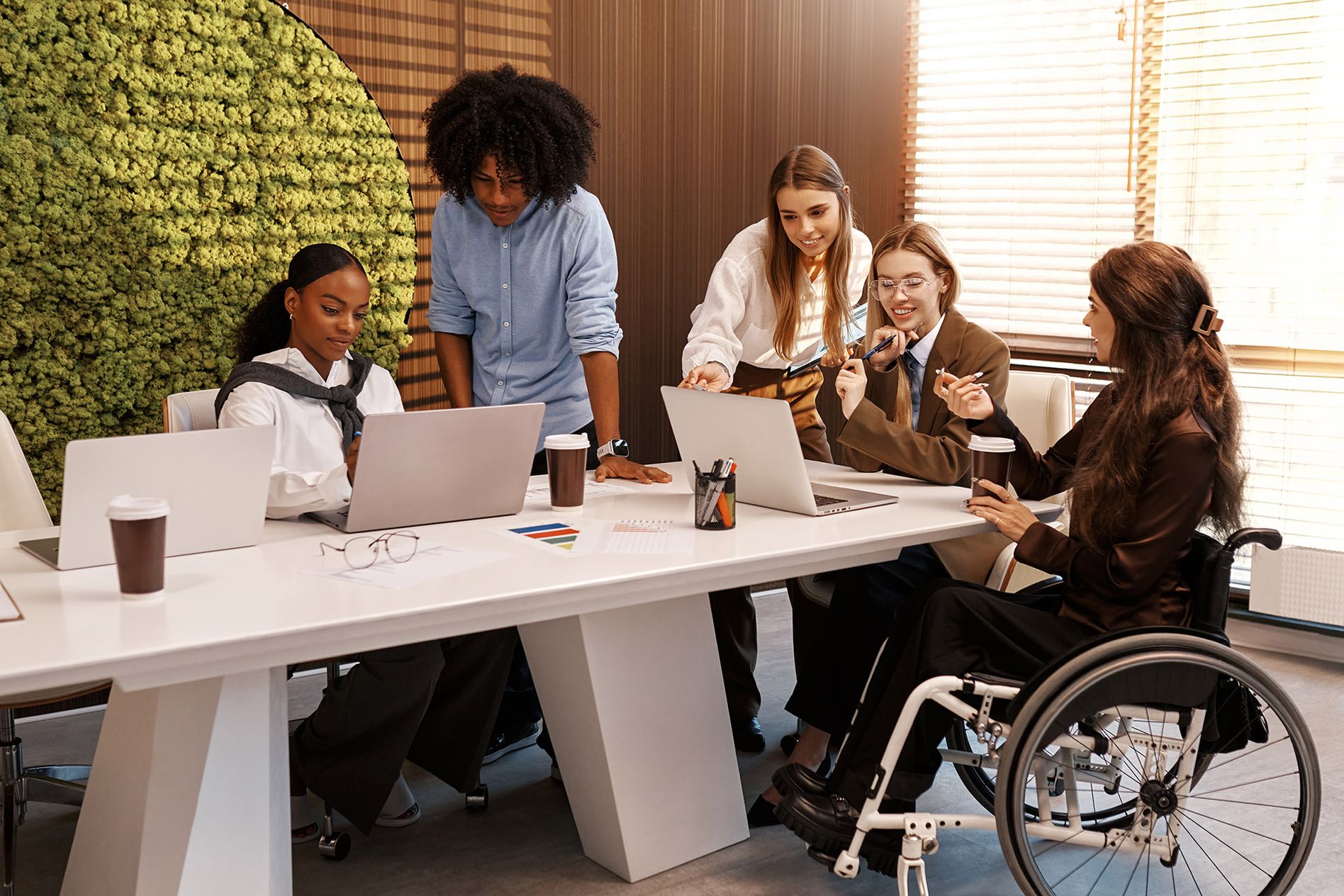

Sustainability begins with people
Expectations of coffee technology are rising, and they go far beyond taste. Operators today look for machines that everyone can use intuitively, independently and reliably. At the same time, the environmental footprint has to shrink. SEB Professional Beverage answers with a clear stance: putting people and planet first.
As a global leader in beverage preparation solutions, the company embeds this mindset in its ESG (Environmental, Social, Governance) strategy. Aligned with Groupe SEB's 2024–2030 ambition "Act for better living", it rests on three pillars – Act for Nature, Act as a Leader in the Circular Economy, and Act for All. These are all held together by one principle: Act Responsibly and Ethically. The mission is to provide everyday coffee experiences that are simpler, more enjoyable, and more inclusive – in hotels and offices as much as in hospitals or convenience environments. This ambition goes beyond regulatory compliance. Instead, it aims at equal access to quality coffee and lasting value for operators, communities, and guests.

For Ayca Ozol, this defines the company's role: "Our ESG roadmap positions us not only as a machine manufacturer, but as a solutions provider that makes coffee culture more accessible, more intuitive, and more inclusive."
Inclusion is good business, too
An inclusive coffee offering reaches customer groups that have often been overlooked: guests with limited mobility, older customers, anyone who prefers a simple, error-tolerant interface. For operators, that opens up new revenue potential, with offerings built for real, everyday situations.
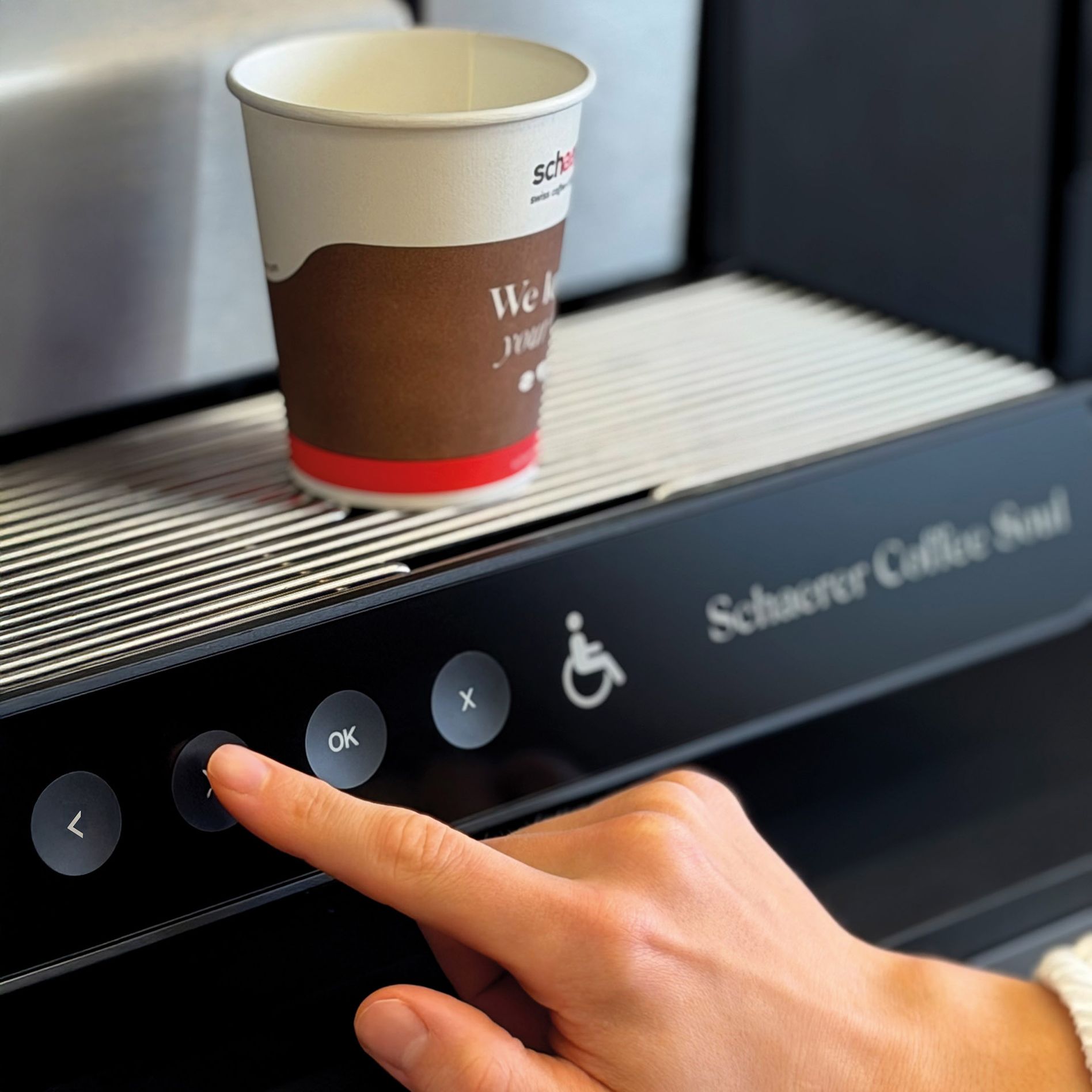
Easy Access: Accessibility at the machine
Schaerer's Easy Access concept shows what this looks like in practice. Control buttons at the drip tray of the Schaerer Coffee Soul, arranged like the arrow keys of a keyboard, let wheelchair users brew their coffee independently – in offices, public spaces, medical practices, hospitals, or institutional catering. Another advantage is that service technicians can retrofit existing machines in minutes.
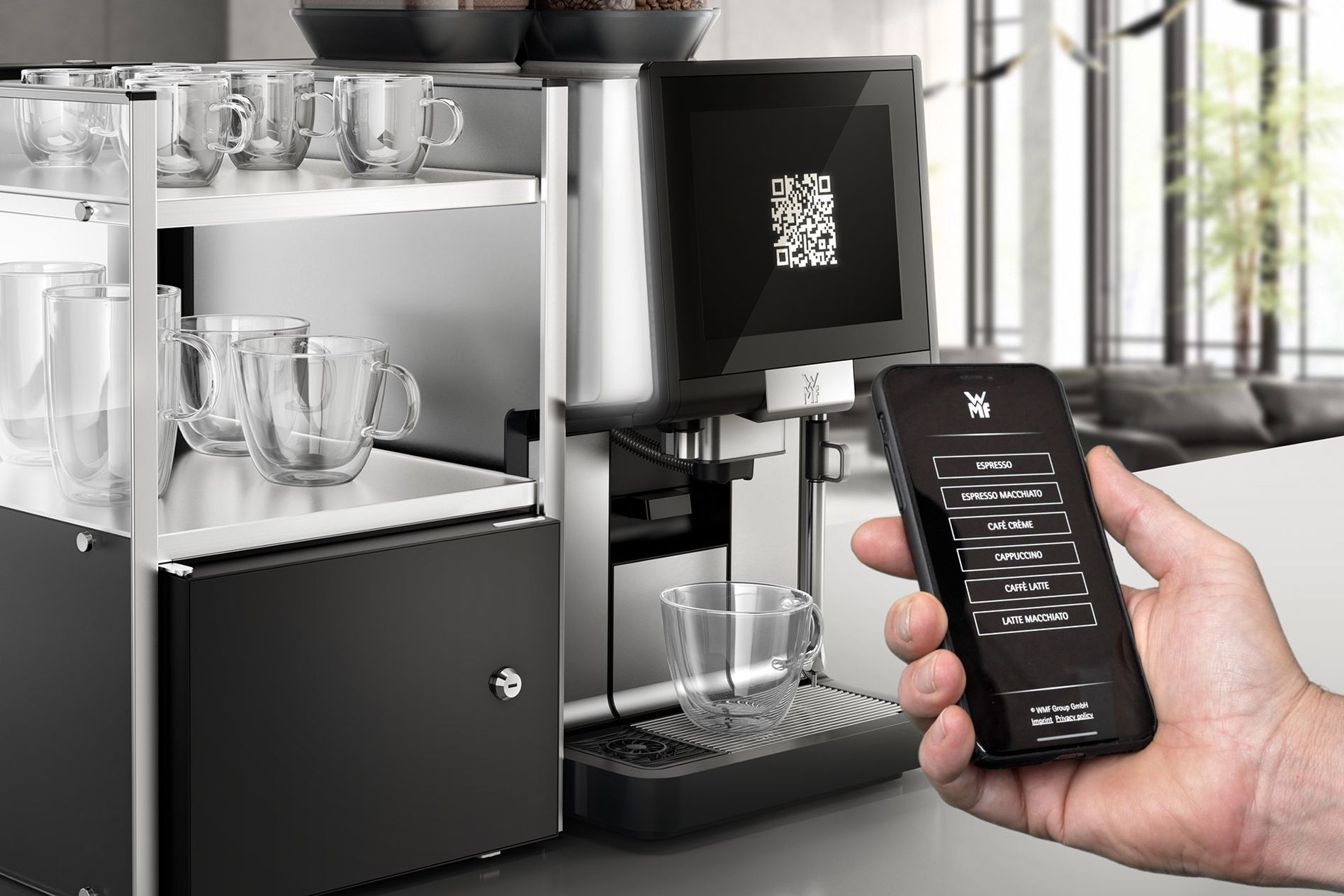
WMF Barrier-free: inclusion goes digital
Digital inclusion, in turn, adds another layer of accessibility. One tap on a clearly visible touchscreen icon brings up a full-screen QR code; scanning it turns the user's own smartphone into a remote control with large, high-contrast visuals and a voiceover function. Beverage, strength, milk or a plant-based alternative – users place their order directly from their personal device.
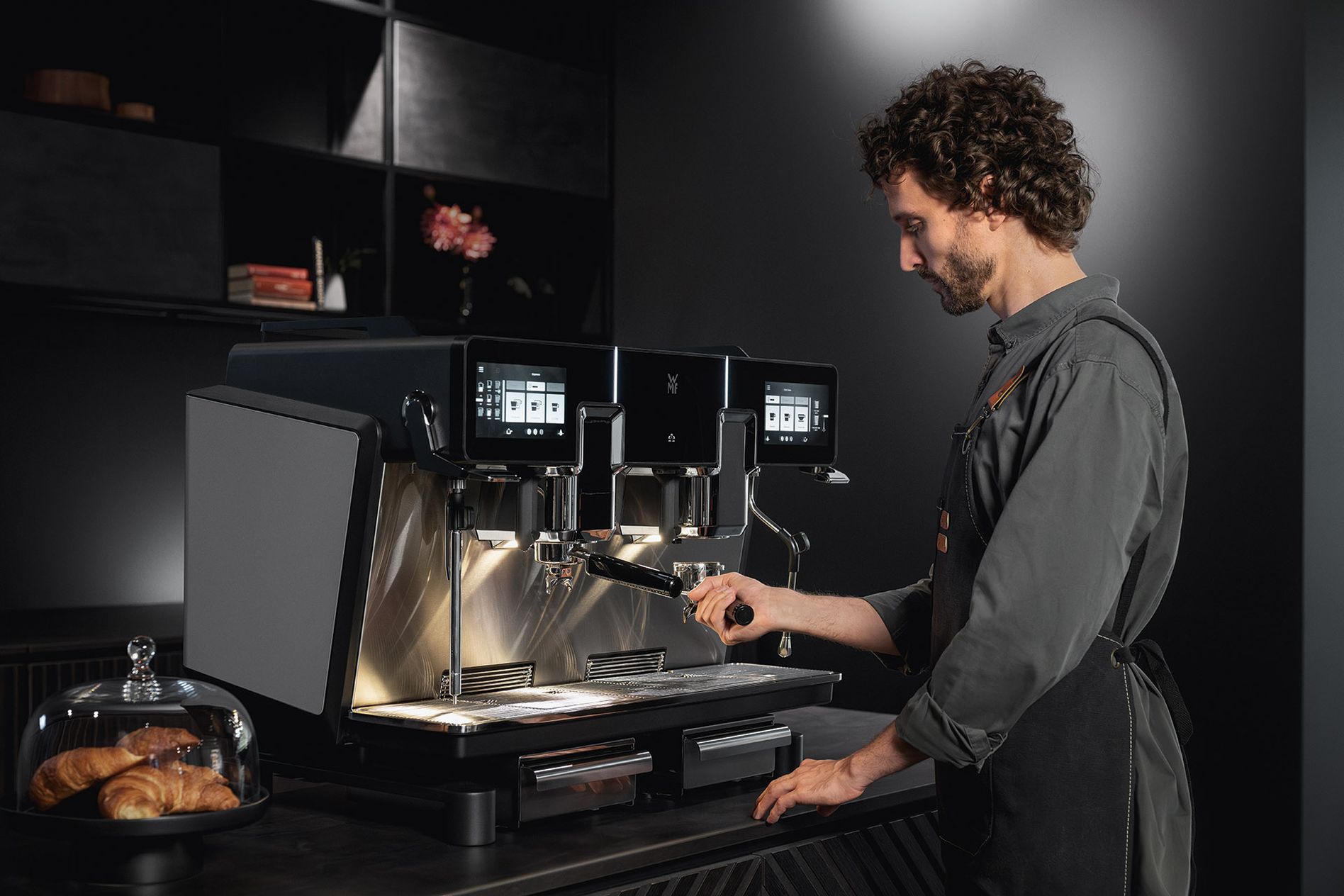
Behind the counter: technology that empowers the team
Inclusion also counts on the other side of the machine. Automated portafilter technology takes over repetitive manual steps, reduces physical strain, and keeps quality consistent cup after cup. Teams work more smoothly and flexibly, while guests always get their coffee at its best.
"Modern coffee concepts merge craftsmanship and automation in entirely new ways," says Dominique Lasseur, Director Coffee Program at SEB Professional Beverage. "Technology ensures reliability and speed while still allowing space for human creativity and storytelling." The semi-automatic WMF espresso NEXT embodies this idea: the barista's artistry remains, while errors and effort are eliminated. For Lasseur, that is the purpose of automation, expanding access to great coffee for both guests and the people who serve them.
With solutions like Easy Access and Barrier-free, Lasseur adds, "our machines bring connection, comfort and coffee enjoyment to places that were previously out of reach."
From ambition to clear and measurable targets …
A sustainability culture needs more than conviction; it requires verifiable data. Groupe SEB is committed to targets validated by the Science Based Targets initiative (SBTi):
Net-zero by 2050, backed by a 90% cut in Scope 1, 2, and 3 emissions
42% less Scope 1 and 2 emissions from production sites by 2030 (vs. 2021)
25% less Scope 3 emissions from product usage, purchased materials, and logistics by 2030 (vs. 2021)
...and everyday practice
Culture shows in daily decisions. A dedicated program supports 500 strategic suppliers in raising their environmental and social standards. Internally, Groupe SEB keeps improving occupational health and safety and drives gender parity in leadership. For consumers, certified quality management systems safeguard high product standards. And in high-cost hospitality markets, technologies that optimize energy and ingredient use align ecological progress with operational efficiency.
Independently recognized progress
Independent agencies confirm the direction. With:
EcoVadis Platinum (2026, score 90 – top 1% of all rated companies),
an "A-" in CDP Climate for the fifth year running,
an "A" in MSCI ESG Ratings,
and a top 6% position at Sustainalytics
building a sustainability culture is a daily practice rather than a single project. It involves putting people first, setting measurable targets, and developing technology that serves both. Cup by cup.